

Table of Contents
Table of Contents
Craving a dessert that’s rich, creamy, and bursting with caramelized cookie flavor? Biscoff cheesecake might just become your new favorite indulgence. Whether you’re a die-hard fan of cookie butter or just discovering the magic of Biscoff, this no-bake cheesecake delivers big flavor with minimal effort. In this guide, we’re diving deep into everything about this irresistible dessert—from what makes it so unique, to how to make the perfect version at home, plus expert tips, decorating ideas, and delicious variations. Whether you’re baking for a party or treating yourself, this guide has you covered.
PART 1: What is Biscoff Cheesecake?
The origin and rise in popularity of Biscoff cheesecake
Biscoff cheesecake combines the creamy texture of a traditional cheesecake with the rich, spiced flavor of Lotus Biscoff cookies and cookie butter. Originating in Europe, Lotus Biscoff cookies—originally called speculoos—were first paired with cheesecake in Belgium. Over time, the combination made its way into bakeries, food blogs, and Instagram feeds worldwide.
Today, Biscoff cheesecake is a trending no-bake dessert that’s taken the internet by storm. With its velvety texture and intense cookie flavor, it’s no surprise this dessert has carved a niche in home kitchens and dessert menus alike. The visual appeal also plays a big role—those rich brown cookie swirls and golden crust make every slice social media–worthy.
Key ingredients that make it so addictive
So, what makes Biscoff cheesecake such a hit? Let’s break it down:
- Biscoff cookies: These spiced caramel cookies serve as the crust’s base. When crushed and combined with butter, they form a perfectly crunchy yet melt-in-your-mouth foundation.
- Biscoff spread (cookie butter): This creamy, spoonable form of the cookie is used in the filling and sometimes as a topping, delivering a burst of flavor in every bite.
- Cream cheese: A rich, slightly tangy ingredient that balances the sweetness and adds smoothness.
- Heavy cream or whipped topping: Helps to stabilize and fluff up the filling, especially in no-bake versions.
- Butter and sugar: Used to enhance richness and structure.
The magic of this dessert lies in the contrast—sweet yet spiced, crunchy yet creamy. And unlike traditional baked cheesecakes, the no-bake version is easy to whip up without any eggs or ovens involved.
Not only does it deliver indulgence with every forkful, but it also lets you explore variations and twists depending on your taste—more about those later in the guide.
PART 2: The Role of Biscoff Cookies in Cheesecake Recipes
Why Biscoff cookies are the best base for cheesecake
There’s a reason Biscoff cookies have become the gold standard for no-bake cheesecake crusts. With their crisp texture and warm, caramelized flavor, they provide more than just a structural foundation—they add depth, spice, and richness to every bite.
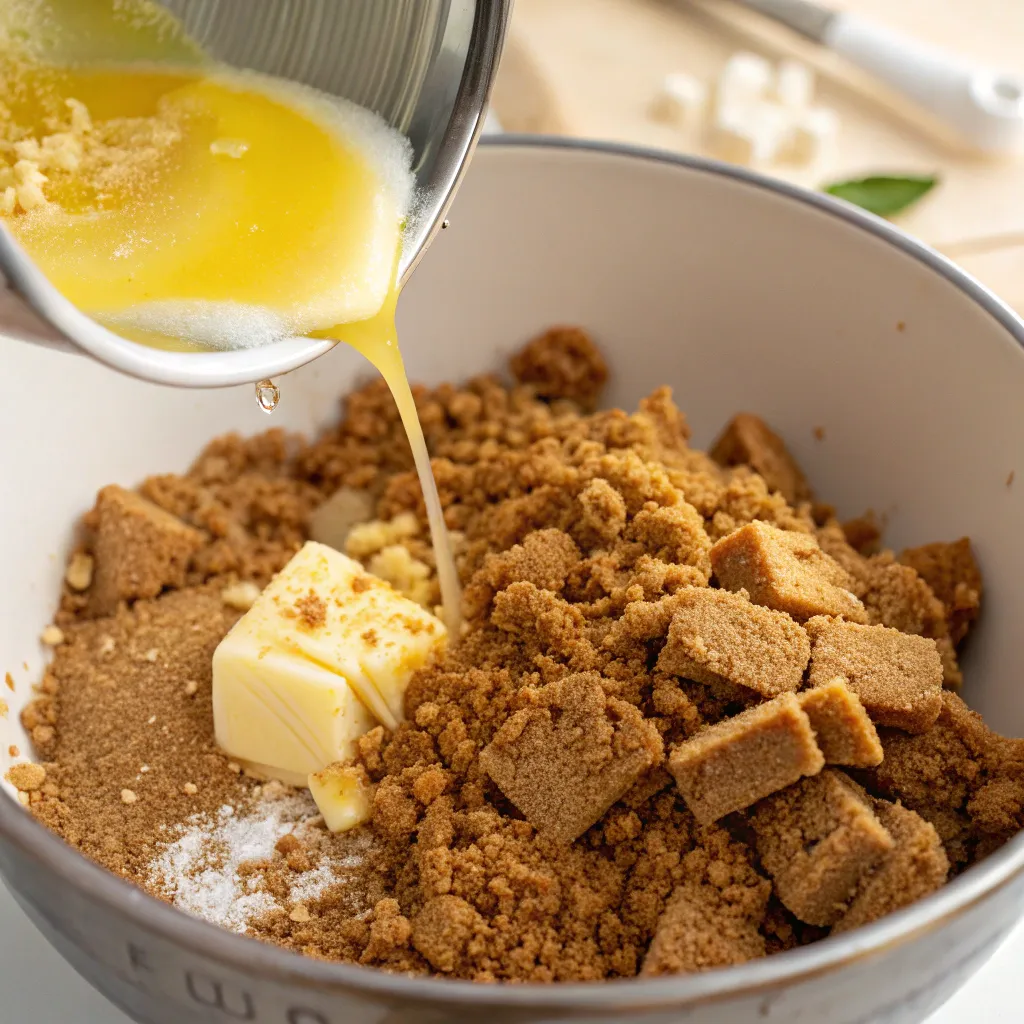
Crushed Biscoff cookies combine beautifully with melted butter, forming a sturdy yet crumbly crust that holds together without baking. Unlike graham crackers or digestives, Biscoff cookies contain that signature cinnamon and brown sugar profile, which enhances rather than competes with the cheesecake filling.
Here’s a comparison to show how they stack up:
| Crust Type | Texture | Flavor Profile | Ideal For |
|---|---|---|---|
| Graham crackers | Crunchy/Neutral | Mild honey, slightly sweet | Classic baked cheesecakes |
| Digestive biscuits | Crumbly/Dry | Malty, less sweet | British-style cheesecakes |
| Biscoff cookies | Crunchy/Buttery | Caramelized, spiced, rich | No-bake cheesecakes, cookie butter lovers |
The result? A cheesecake base that tastes like a dessert on its own, but supports the creamy topping without overpowering it.
Biscoff crusts also eliminate the need for sugar in many recipes, since the cookies are already sweetened and spiced to perfection. That means fewer ingredients, quicker prep, and flavor that’s anything but basic.
Understanding the flavor profile of Biscoff
So, what makes the flavor of Biscoff so irresistible?
At its core, Biscoff is a speculoos cookie—originally a spiced shortcrust biscuit from Belgium. It’s baked with brown sugar, cinnamon, cloves, and nutmeg, giving it that deep caramelized taste and cozy aroma. Think of it as a cross between a ginger snap and a caramel cookie, with less snap and more buttery crumble.
When ground into a spread (also called cookie butter), Biscoff delivers its flavor in creamy, smooth form. That spread is used not only in the filling of a Biscoff cheesecake but also as a topping or drizzle for even more indulgence.
This flavor profile pairs beautifully with the tang of cream cheese and the richness of heavy cream. It’s why this dessert hits that sweet spot—literally.
Fun fact: The unique caramel flavor of Biscoff comes from a Maillard reaction—a scientific term for the browning process that happens when sugars and proteins cook together. This is what gives Biscoff its golden hue and deeply toasted taste.
Whether you’re layering it into a crust, swirling it into the filling, or adding it as a final drizzle, Biscoff brings a warm, rich flavor that elevates your cheesecake into a full-on experience.
PART 3: Choosing the Best Cream Cheese for Biscoff Cheesecake
Full-fat vs. low-fat cream cheese – which one works better?
When making Biscoff cheesecake, especially a no-bake version, the choice of cream cheese makes or breaks your dessert. It’s not just about taste—it’s about structure, smoothness, and richness.
Here’s the truth: Full-fat cream cheese wins every time.
Here’s why:
- Texture: Full-fat cream cheese is denser and creamier, helping the cheesecake set properly without the need for baking or gelatin.
- Flavor: Low-fat versions tend to be more acidic and watery, which dilutes the flavor and can result in a less satisfying taste.
- Consistency: With full-fat, you get a silky finish that pairs perfectly with the spiced depth of Biscoff spread.
Avoid cream cheese spreads that come in tubs—they often contain stabilizers and extra moisture that throw off the balance. Stick with brick-style cream cheese (like Philadelphia) for best results.
| Type | Pros | Cons |
|---|---|---|
| Full-fat (brick) | Rich flavor, perfect consistency | Slightly higher in calories |
| Low-fat | Lighter option | Runny texture, weak flavor |
| Spreadable tubs | Easy to mix | Contains additives, soft and unstable |
Pro Tip: Always use room-temperature cream cheese. This ensures a smoother blend when mixing with other ingredients and prevents lumps from forming.
Tips to get a silky, lump-free cheesecake filling
Even with top-quality cream cheese, the technique matters. Here’s how to achieve that ultra-smooth, melt-in-your-mouth filling:
- Soften all ingredients first: Cold cream cheese or butter won’t mix smoothly. Take everything out of the fridge at least 30 minutes before starting.
- Use a stand mixer or hand mixer: Beat the cream cheese on medium speed for 2–3 minutes before adding anything else. This helps aerate it and break down any dense clumps.
- Scrape the sides: Between each step, use a spatula to scrape down the sides of your bowl to avoid unmixed pockets.
- Add sugar and Biscoff spread gradually: This helps them incorporate evenly into the cream cheese without curdling.
- Fold in whipped cream last (if using): This ensures your filling stays light and fluffy instead of deflating from overmixing.
Here’s a quick checklist:
| Tip | Purpose |
|---|---|
| Room-temp ingredients | Smooth blending |
| Beat cream cheese alone first | Breaks lumps early |
| Add sugar/Biscoff slowly | Prevents grainy texture |
| Fold whipped cream gently | Keeps mixture airy |
| Don’t overmix after thickening agents | Avoids runny filling or collapse |
When done right, your cheesecake filling should glide off a spoon—thick, glossy, and ready to be poured over that buttery Biscoff crust.
PART 4: No-Bake Biscoff Cheesecake Recipe (Step-by-Step Guide)
Ingredients you’ll need (with measurements)
This no-bake Biscoff cheesecake is simple, indulgent, and doesn’t require an oven or gelatin. Below are the exact ingredients to make a 9-inch cheesecake (serves 10–12):
For the crust:
- 250g (about 26) Biscoff cookies, finely crushed
- 100g (7 tbsp) unsalted butter, melted
For the cheesecake filling:
- 500g (2 blocks) full-fat cream cheese, softened
- 300ml (1 1/4 cups) heavy whipping cream, cold
- 150g (3/4 cup) Biscoff spread
- 80g (2/3 cup) powdered sugar
- 1 tsp vanilla extract (optional)
For topping:
- 3–4 tbsp Biscoff spread (melted slightly for drizzle)
- Crushed Biscoff cookies or cookie halves (for garnish)
- Whipped cream (optional, for decorating)
Step-by-step instructions for perfect results every time
Step 1: Prepare the crust
- Finely crush the Biscoff cookies using a food processor or place them in a zip-top bag and crush with a rolling pin.
- In a mixing bowl, combine crushed cookies and melted butter. Mix until it resembles wet sand.
- Press the mixture firmly into the base of a springform pan. Use the back of a spoon or a flat-bottomed glass to press it down evenly.
- Place the crust in the fridge for at least 30 minutes to set.
Step 2: Make the cheesecake filling
- In a large bowl, beat the cream cheese with powdered sugar until smooth and creamy.
- Add in the Biscoff spread and vanilla extract. Beat until fully incorporated.
- In a separate bowl, whip the heavy cream until it forms stiff peaks.
- Gently fold the whipped cream into the cream cheese mixture using a spatula. Do not overmix.
Step 3: Assemble the cheesecake
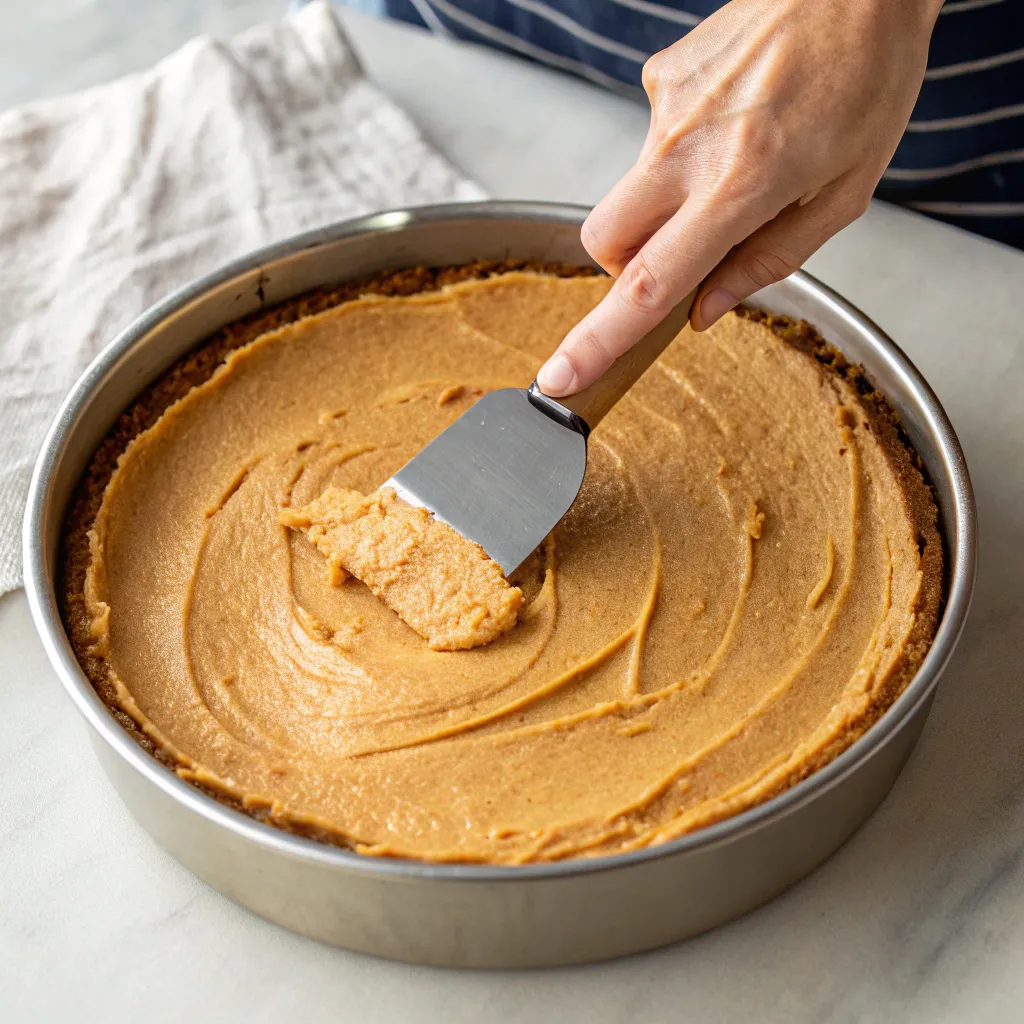
- Pour the filling over the chilled crust. Smooth the top with an offset spatula or back of a spoon.
- Tap the pan gently on the counter to release any air bubbles.
- Chill in the refrigerator for at least 6 hours or overnight for best results.
Step 4: Decorate and serve
- Once set, remove the cheesecake from the pan and transfer it to a serving plate.
- Drizzle melted Biscoff spread over the top.
- Garnish with crushed cookies and whipped cream if desired.
- Slice with a warm knife for clean cuts and serve chilled.
Pro Tips for Success:
- Always use cold heavy cream for easy whipping.
- Don’t skip chilling—it’s essential for the structure of a no-bake cheesecake.
- For clean slices, dip your knife in hot water and wipe between cuts.
- Want to add a hidden layer? Spread 2 tbsp of Biscoff spread on top of the crust before adding filling.
| Prep Time | Chill Time | Total Time | Servings |
|---|---|---|---|
| 20 mins | 6–8 hours | 6.5–8.5 hrs | 10–12 |
This easy, elegant dessert brings out the best of both worlds—rich cheesecake texture and cookie butter flavor—without the stress of baking.
PART 5: Delicious Variations of Biscoff Cheesecake Recipes
Individual mini cheesecakes for easy serving
Looking for a personal-sized dessert with all the indulgence of a full biscoff cheesecake? Try making mini versions. These small treats pack the same flavor punch and are incredibly convenient for events, bake sales, or simple portion control.
Use a muffin tin lined with paper cups to create the crusts—just like the full-size version, crushed Biscoff cookies and melted butter form the base. Then, pipe or spoon the creamy filling on top and chill. Once set, drizzle with melted Biscoff spread and top with a cookie half for a show-stopping finish.
Mini cheesecakes also freeze well, making them perfect for make-ahead treats. Just wrap each one individually and store them for up to one month.
| Type | Size | Serving Suggestion |
|---|---|---|
| Mini cheesecakes | Muffin-sized | Perfect for parties |
| Cheesecake bites | Truffle-sized | Ideal for dessert platters |
| Jars | Small mason jars | Great for gifts or takeaways |
Fun spins: cheesecake jars, bars, and cupcake-style treats
Want to put a fun twist on the classic no-bake recipe? Here are a few ways to reinvent the flavor of biscoff cheesecake without changing the core ingredients.
- Cheesecake jars: Layer crust, filling, and melted Biscoff spread in small glass jars. These are mess-free, portable, and perfect for gifting.
- Biscoff cheesecake bars: Make a standard cheesecake in a square pan, chill, then slice into bars. Great for potlucks and lunchboxes.
- Cupcake-style cheesecakes: Use cupcake liners for individual portions. Add whipped cream and crushed cookies as toppings for a decorative finish.
These formats don’t just change presentation—they offer flexibility. You can customize each one with toppings like whipped cream, caramel drizzle, or chopped nuts. The flavor stays true to the original, but the form feels fresh and fun.
Whether you’re going for mini indulgence or dessert tray flair, these variations make biscoff cheesecake more versatile than ever.
PART 6: Tips for Decorating Your Biscoff Cheesecake
Toppings that elevate your cheesecake’s look and taste
Once your biscoff cheesecake is chilled and set, it’s time to make it look as irresistible as it tastes. The right decorations not only enhance flavor but also add visual appeal, making your dessert perfect for birthdays, holidays, or just an Instagram-worthy treat.
Here are some go-to topping ideas:
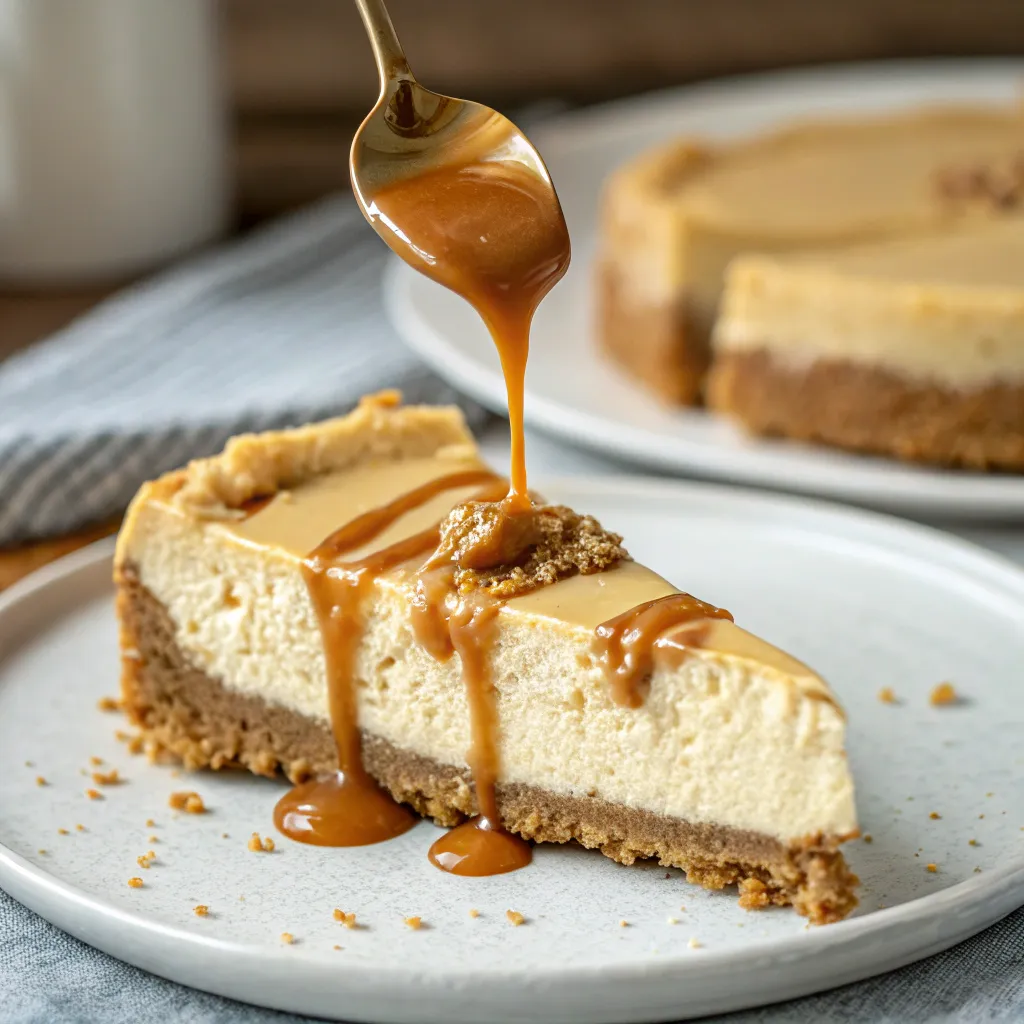
- Melted Biscoff spread: Warm a few spoonfuls of Biscoff spread in the microwave for 10–15 seconds. Use a spoon or piping bag to drizzle it across the top in zigzags, swirls, or drip-style edging.
- Crushed Biscoff cookies: Sprinkle these over the top or around the edges for added crunch and texture. A cookie border can also frame the cheesecake beautifully.
- Whole Biscoff cookies: Stand them vertically around the edge or lay them flat in a circular pattern for a rustic, bakery-style look.
- Whipped cream: Add dollops using a piping tip to create volume. You can also flavor the whipped cream with a touch of Biscoff spread for extra depth.
- Chocolate shavings or caramel sauce: If you want to balance the Biscoff flavor with something different, these add-ons create contrast without overpowering the cheesecake.
| Topping | Flavor Boost | Visual Appeal | Texture |
|---|---|---|---|
| Melted Biscoff spread | High | Smooth & glossy | Creamy |
| Crushed cookies | Moderate | Rustic crunch | Crunchy |
| Whole cookies | Bold | Statement look | Firm |
| Whipped cream | Light | Fluffy peaks | Airy |
| Caramel drizzle | Sweet | Color contrast | Silky |
How to drizzle Biscoff spread like a pro
If you want that clean, polished drizzle on your biscoff cheesecake, follow this simple method:
- Spoon & drizzle: Dip a spoon in warm Biscoff spread. Hold it several inches above the cheesecake and let the spread fall in thin ribbons, moving your wrist side to side.
- Piping bag technique: Transfer the warm spread into a piping bag or zip-top bag with a snipped corner. This gives more control over where and how much spread you apply.
- Drip edge method: Use the piping technique around the cheesecake’s edge, gently squeezing out drops so they slowly drip down the sides. Let it chill to set the drip.
Don’t worry if it’s not perfect—those natural drips and swirls add charm and character. You’re going for delicious, not digital-perfect.
Decorating a biscoff cheesecake is one of the most enjoyable steps in the process. It lets you put your signature twist on a classic dessert while making it look as stunning as it tastes.
check this recipe out for more
PART 7: Storing and Serving Biscoff Cheesecake
How long Biscoff cheesecake lasts in the fridge
You’ve crafted the perfect biscoff cheesecake, now the big question—how do you store it to keep it fresh, creamy, and sliceable?
A no-bake cheesecake like this should be stored in the refrigerator, covered tightly to prevent it from absorbing other food odors and losing moisture. The ideal container? A cake carrier, large airtight container, or the springform pan itself covered in plastic wrap and foil.
Shelf life:
- Fresh: Up to 5 days when stored in the fridge at or below 40°F (4°C)
- Decorated with whipped cream or toppings: Best enjoyed within 2–3 days to preserve texture and appearance
If you’re serving the cheesecake at a party or event, remove it from the fridge 15–20 minutes before serving to soften slightly—this brings out the rich flavor and makes slicing easier.
| Storage Method | Duration | Notes |
|---|---|---|
| Refrigerator | 4–5 days | Keep covered and chilled |
| Pre-sliced fridge | 2–3 days | Store slices with parchment between |
| Room temperature | 1 hour max | Only during serving |
Can you freeze Biscoff cheesecake without ruining it?
Yes—you can absolutely freeze Biscoff cheesecake, and with the right method, it keeps its flavor and texture beautifully. Freezing is a great option if you want to make the dessert ahead of time or save leftovers.
Here’s how to do it right:
- Freeze before decorating: For best results, freeze the cheesecake before adding toppings like whipped cream or cookie pieces.
- Wrap well: Once fully set in the fridge, wrap the cheesecake in plastic wrap, followed by a layer of aluminum foil. For individual slices, wrap each piece and place in a freezer-safe bag.
- Label it: Write the date and type on the packaging for easy reference.
Freezer life:
- Whole or sliced Biscoff cheesecake lasts up to 2 months in the freezer.
- To serve, thaw in the fridge overnight. Avoid microwaving as it can ruin the creamy texture.
Quick tip: If you’re making mini or jar versions, freeze them in their containers. They’re perfect for portion-controlled indulgence straight from the freezer—just thaw and enjoy.
By following these storage tips, you’ll get the most out of your biscoff cheesecake without sacrificing flavor or presentation.
PART 8: Common Mistakes to Avoid When Making Biscoff Cheesecake
Overmixing or undermixing the batter
Achieving the perfect texture in biscoff cheesecake is all about balance, especially when it comes to mixing. Too much or too little can ruin that silky-smooth consistency you’re aiming for.
Overmixing the filling—especially after adding whipped cream—can deflate the mixture, leaving it runny and dense rather than light and fluffy. This is particularly important for no-bake versions, where the filling relies on air rather than eggs or gelatin for structure.
On the other hand, undermixing can result in lumps of cream cheese or poorly blended sugar, giving your cheesecake a gritty mouthfeel. Not ideal.
Here’s how to get it just right:
- Beat the cream cheese thoroughly before adding anything else.
- Once you fold in the whipped cream, use gentle, slow strokes—just enough to combine.
- Scrape down the sides of your bowl often so everything incorporates evenly.
| Mistake | Result | Fix |
|---|---|---|
| Overmixing | Deflated, soft filling | Fold gently, don’t whip too long |
| Undermixing | Lumpy, uneven texture | Beat cream cheese well first |
Using the wrong crust-to-filling ratio
One of the quickest ways to throw off a biscoff cheesecake is an unbalanced crust. Too much cookie base? It overwhelms the filling. Too little? Your cheesecake collapses when sliced.
The ideal crust ratio should be about 1/4 the total height of the cheesecake. For a 9-inch pan, 250g of crushed Biscoff cookies and around 100g of melted butter usually gives you the perfect amount.
Crust tips for success:
- Press the crust down firmly using a flat glass or measuring cup.
- Let the crust chill for at least 30 minutes before adding the filling.
- Don’t make it too thick around the edges—it can be hard to slice through and dominate the bite.
| Problem | Cause | How to Fix |
|---|---|---|
| Crust too thick and dry | Too many cookies, not enough butter | Adjust ratio to balance texture |
| Crust crumbles when sliced | Not pressed firmly or under-chilled | Chill longer, press evenly |
| Filling collapses when slicing | Crust too thin or weak | Add more cookies or compress more |
Avoiding these simple but common errors will elevate your biscoff cheesecake from average to bakery-level delicious. Every bite should have the perfect balance of buttery crunch and smooth, creamy filling.
PART 9: Healthier Alternatives and Dietary Adjustments
How to make a vegan or dairy-free Biscoff cheesecake
Love the rich, indulgent flavor of biscoff cheesecake but need a dairy-free or vegan option? No problem. With a few smart swaps, you can recreate the same creamy, cookie butter flavor in a way that fits your lifestyle.
Biscoff spread and cookies are naturally vegan, which makes this dessert surprisingly easy to adapt.
Vegan ingredient swaps:
- Cream cheese: Use a dairy-free version made from almond, soy, or cashew base.
- Heavy cream: Replace with whipped coconut cream or plant-based whipping cream.
- Butter: Use a vegan butter alternative or melted coconut oil for the crust.
Optional additions like soaked cashews blended into the filling can add richness and stability. If needed, a little agar-agar can replace gelatin for a firmer set.
Vegan Biscoff Cheesecake Summary:
- No animal-based ingredients
- Rich, creamy texture when blended right
- Still full of that spiced cookie flavor
| Ingredient | Swap |
|---|---|
| Cream cheese | Vegan cream cheese (almond, soy) |
| Heavy cream | Whipped coconut cream |
| Butter | Vegan margarine or coconut oil |
| Whipped topping | Dairy-free whipped cream |
Lower sugar and gluten-free variations
If you’re watching sugar or gluten, you can still indulge in biscoff cheesecake by tweaking a few ingredients.
Lower sugar version:
- Use reduced-sugar or homemade Biscoff spread with sweetener substitutes like monk fruit or erythritol.
- Swap powdered sugar in the filling with a low-glycemic alternative.
- Add a touch of vanilla or cinnamon to boost flavor without relying on sweetness.
Gluten-free version:
- Use gluten-free speculoos-style cookies for the crust. While classic Biscoff cookies do contain wheat, several brands offer similar spiced cookies made with rice or almond flour.
- Always double-check the Biscoff spread label—some off-brand versions may add gluten-based stabilizers.
You can also experiment with blended oats, dates, or nuts for a naturally gluten-free crust that complements the creamy filling.
These tweaks allow you to enjoy biscoff cheesecake while meeting specific health goals or dietary restrictions—without sacrificing flavor or texture.
Frequently Asked Questions
What is Biscoff cheesecake made of?
Biscoff cheesecake is typically made from a crust of crushed Biscoff cookies and melted butter, a filling of cream cheese, Biscoff spread (cookie butter), sugar, and sometimes whipped cream for a no-bake texture. It’s a blend of creamy, spiced, and sweet ingredients that results in a rich, indulgent dessert.
What is the flavor of Biscoff?
Biscoff has a deep caramelized flavor with hints of cinnamon, nutmeg, and brown sugar. It’s sweet but spiced, offering a warm, cozy flavor that pairs beautifully with creamy fillings. It’s often compared to gingerbread but more buttery and less sharp.
Is Biscoff good for cheesecake base?
Absolutely. Biscoff cookies create a flavor-packed crust that’s much more exciting than plain graham crackers. When crushed and mixed with butter, they form a solid, sweet-spiced base that complements the creamy cheesecake layer perfectly.
What is Biscoff called in America?
In the U.S., Biscoff is often referred to as speculoos or cookie butter. While “Biscoff” is the brand name from Lotus, the spread is also known generically as cookie butter and is widely available across American grocery stores.
Conclusion
There’s a reason biscoff cheesecake is taking over dessert tables, Pinterest boards, and sweet lovers’ hearts across the globe. It’s easy to make, bursting with deep caramel and spice flavor, and versatile enough to adapt to nearly any occasion—or dietary need.
Whether you go classic, vegan, mini, or gluten-free, the magic lies in the pairing of creamy cheesecake filling with that unmistakable cookie base. With the tips and recipe guidance in this article, you’re fully equipped to create a show-stopping dessert that’s both foolproof and unforgettable