

Craving a meal that’s bold, saucy, and packed with layers of flavor? You’ve found your ultimate guide to crafting authentic, mouthwatering tacos that redefine comfort food. This dish swaps traditional meats for tender, shredded chicken simmered in smoky adobo sauce—a twist that’s lighter but just as satisfying.
Imagine crispy tortillas hugging juicy meat, melted cheese, and a rich consommé for dipping. Every bite delivers tangy heat balanced by earthy spices like cumin and cloves. Whether you’re hosting a gathering or cooking for yourself, this recipe guarantees restaurant-quality results at home.
We’ll walk you through selecting the best ingredients, from dried chilies to fresh garnishes. Learn how to fry tortillas to golden perfection and layer them with gooey Oaxaca cheese. Plus, discover pro tips for adjusting spice levels and storing leftovers without losing flavor.
Table of Contents
Table of Contents
Key Takeaways
- Master a modern twist on a traditional dish using tender chicken and aromatic spices.
- Achieve crispy tortillas with melty cheese and a rich dipping sauce.
- Follow step-by-step guidance for ingredient prep, cooking, and assembly.
- Customize heat levels to match your taste preferences.
- Learn expert techniques for frying and storing leftovers effectively.
Introduction to the World of Chicken Birria Tacos
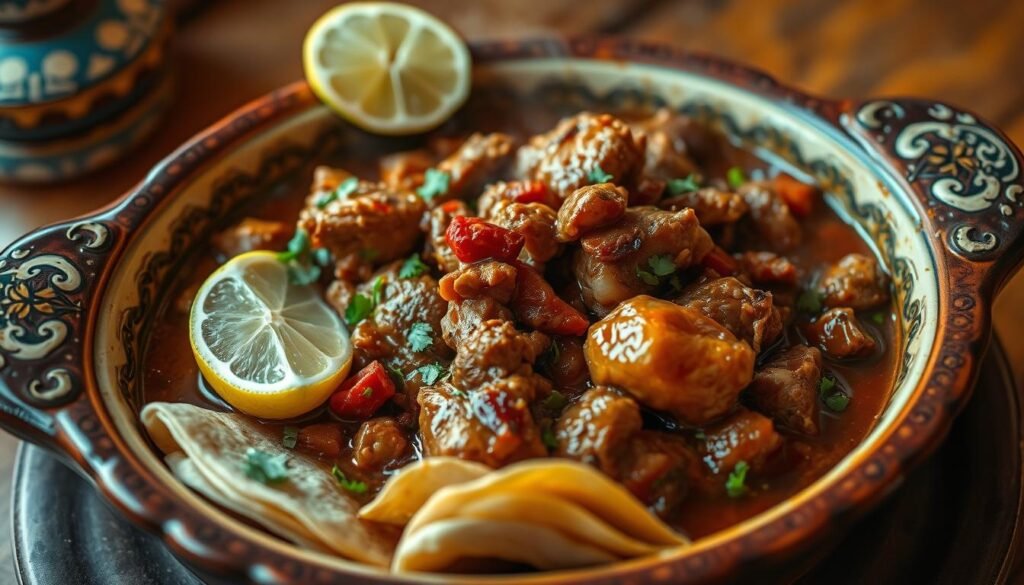
Rooted in Mexican culinary tradition, birria began as a celebratory stew in Jalisco, slow-cooked with goat or beef for hours. Modern kitchens have reimagined this classic, swapping tougher meats for succulent poultry that cooks faster while absorbing spices more effectively. This adaptation preserves the dish’s soulful depth but streamlines prep time—ideal for weeknight dinners.
Why choose poultry? It offers a milder base that lets chili peppers and cumin shine without overpowering the palate. Unlike traditional methods requiring extended braising, this version reaches perfect tenderness in under two hours. Restaurant chefs praise its versatility, noting how the broth develops complexity through toasted guajillo peppers and cloves.
“Innovation in Mexican cuisine lies in respecting tradition while adapting to modern lifestyles.”
The updated approach maintains signature elements like dipping tortillas in consommé before frying. However, the lighter protein creates a crispier texture contrast against melted cheese. You’ll also notice brighter acidity from apple cider vinegar, balancing the smokiness.
Later sections detail how to layer flavors using accessible ingredients and tools. Learn why a Dutch oven outperforms standard pots and how to adjust spice blends for personalized heat levels. Ready to transform your kitchen into a flavor lab?
Essential Ingredients for Chicken Birria Tacos
Building a memorable dish starts with selecting components that work in harmony. Every element plays a role—from tender proteins to spices that add warmth and complexity. Let’s explore what makes this recipe stand out.
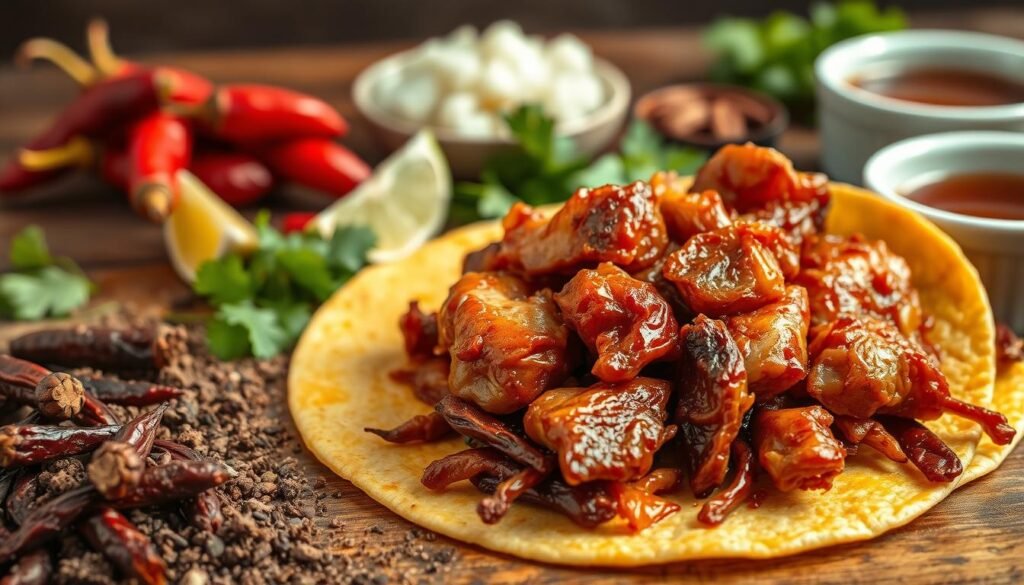
Fresh Chicken and Quality Meat Options
Bone-in thighs are ideal for their rich flavor and moisture retention during cooking. The connective tissue breaks down slowly, creating fork-tender results. If unavailable, skinless drumsticks work but may require adjusted cooking times.
For deeper taste, opt for organic or free-range poultry. These choices often have better texture and absorb spices more effectively. Avoid lean cuts like breasts, as they can dry out during braising.
Spices, Chilies, and Other Flavor Boosters
Toasted cumin seeds and fresh garlic form the backbone of the adobo sauce. Whole spices release oils when heated, intensifying their earthy aroma. Dried guajillo or ancho chilies add smokiness, while a touch of vinegar brightens the blend.
Remove chili stems and seeds to control heat levels. Soak dried peppers in hot water before blending—this softens them for smoother consistency. If guajillos aren’t accessible, mix smoked paprika with mild chili powder as a substitute.
Tools and Equipment You Need
The right tools transform good dishes into unforgettable meals. To achieve the perfect balance of crispy textures and deep flavors, you’ll need equipment that handles high heat and slow cooking with precision.
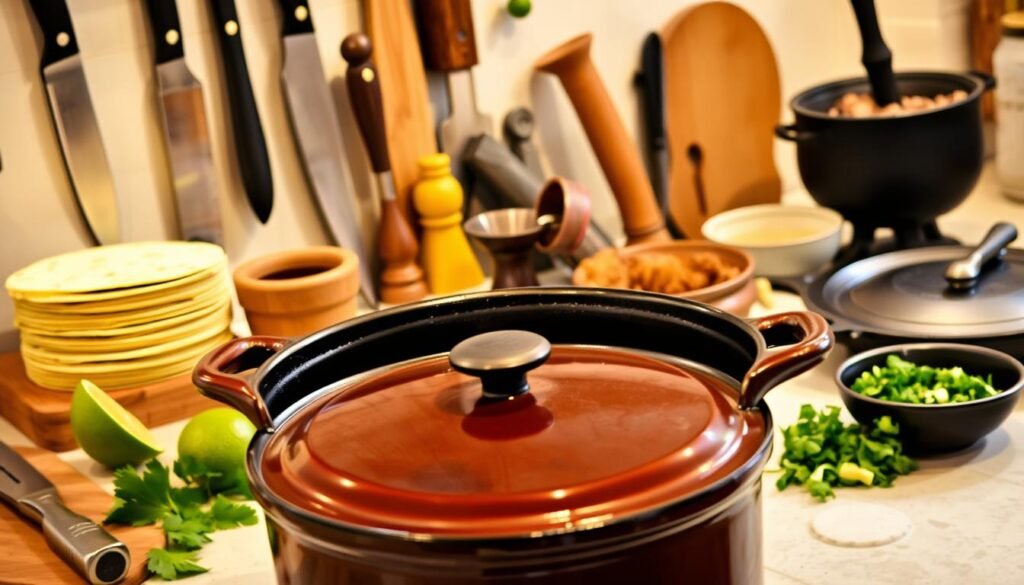
Cast Iron Skillet and Dutch Oven Essentials
A heavy cast iron skillet ensures even browning when searing meat. Its ability to retain heat prevents hot spots, crucial for caramelizing spices without burning. Pair it with a Dutch oven—ideal for braising at consistent temperatures on the stove or in the oven.
For silky adobo sauce, a high-powered blender breaks down chilies and garlic into a velvety base. Look for models with at least 1,000 watts to avoid gritty textures.
| Tool | Purpose | Key Benefit |
|---|---|---|
| Cast Iron Skillet | Searing meat | Superior heat retention |
| Dutch Oven | Braising | Even temperature control |
| High-Powered Blender | Sauce preparation | Smooth consistency |
After cooking, clean your skillet with coarse salt to preserve its seasoning. For Dutch ovens, avoid abrasive scrubbers to maintain the enamel coating. Proper care extends their lifespan and performance.
How to Prepare and Season the Chicken
Unlocking deep flavor starts with mastering preparation techniques. Proper seasoning creates a foundation that enhances every bite while keeping meat succulent through long cooking processes.
Seasoning Techniques and Tips for Juicy Meat
Begin by patting poultry dry with paper towels. Moisture prevents proper browning—a crucial step for developing rich flavors. Generously rub kosher salt and black pepper on all surfaces, including under the skin if using bone-in cuts.
Bone-in thighs outperform leaner cuts by releasing collagen during cooking. This natural gelatin keeps meat tender while enriching the broth. For even seasoning distribution, mix spices like smoked paprika and garlic powder before applying.
“Searing isn’t just about color—it creates a caramelized crust that locks in juices.”
Heat your skillet until oil shimmers before adding poultry. A 3-minute sear per side builds texture without overcooking. When transferring to the braising liquid, submerge pieces halfway to maintain crispy edges.
Boost flavor depth with these methods:
- Massage seasoning blends into meat 15 minutes before cooking
- Combine ground spices with olive oil to form a paste
- Reserve 1 tbsp of seasoning mix to adjust broth later
Monitor internal temperatures with a probe thermometer. Remove from heat at 165°F (74°C) to prevent dryness. Let rest 10 minutes before shredding to redistribute juices.
Developing the Rich Adobo Sauce
The soul of this dish lies in its deeply spiced, aromatic foundation. Mastering this component transforms simple ingredients into a complex flavor symphony that clings to every bite.
Toasting Whole Spices and Chilies
Heat unlocks hidden dimensions in cumin, coriander, and cloves. Dry-toast them in a skillet until fragrant—about 90 seconds. This releases essential oils that amplify earthy notes while mellowing harsh edges.
Prepare dried chilies by removing stems and seeds. Quickly char them in the same pan to reduce bitterness. Soak softened peppers in hot water for 15 minutes before blending.
“Toasting isn’t optional—it’s what separates flat flavors from vibrant ones.”
Blending and Straining for a Smooth Consommé
Combine toasted spices, chilies, roasted tomatoes, garlic, and apple cider vinegar in a blender. Pulse until silky—roughly 2 minutes. If your appliance struggles, strain through a fine mesh sieve to remove gritty bits.
- Use warm soaking liquid to thin the mixture if needed
- Add a pinch of sugar to balance acidity
- Simmer blended sauce 10 minutes to meld flavors
No high-powered blender? Chop ingredients finely before mixing, then press through a strainer with a wooden spoon. The result should coat the back of a spoon without separating.
Step-by-Step Guide to Braising the Chicken
Transform ordinary poultry into a succulent masterpiece through precise braising techniques. This method combines high-heat searing with slow oven cooking to create meat that falls off the bone effortlessly.
Achieving a Perfect Sear
Heat a heavy skillet over medium-high until oil shimmers. Working in batches, place seasoned pieces in a single layer. Cook 3-4 minutes per side until golden-brown crusts form. Overcrowding lowers pan temperature, preventing proper caramelization.
Oven Braising Techniques for Tender Results
Transfer seared pieces to a Dutch oven and add adobo broth until halfway submerged. Cover tightly and bake at 325°F (163°C) for 90 minutes. Check internal temperature at the 75-minute mark—aim for 165°F (74°C).
Let meat rest 10 minutes before shredding. This pause allows juices to redistribute, ensuring moist results. Strain the braising liquid through a fine mesh sieve to create a velvety consommé for dipping.
“Patience during braising turns tough fibers into melt-in-your-mouth textures.”
Follow these timing guidelines for optimal outcomes:
- Prep skillet: 5 minutes
- Searing per batch: 6-8 minutes
- Oven braising: 75-90 minutes
Adjust cooking times based on meat thickness. Larger cuts may need 15 extra minutes. Use a timer to avoid overcooking—every minute counts when balancing tenderness and structure.
Mastering Chicken Birria Tacos
The magic of this dish unfolds in its final assembly, where textures and tastes unite. Begin by warming corn tortillas briefly on a dry skillet—pliable bases prevent cracking during filling. Dip each lightly into the reserved adobo broth to coat both sides, ensuring maximum flavor absorption without sogginess.
Layer shredded meat evenly across the center, followed by a sprinkle of Oaxaca cheese. Overstuffing causes structural failure, so leave a ½-inch border for folding. Press edges gently to seal ingredients before transferring to a hot, oiled skillet.
“Perfect tacos balance crispness with moisture control—too much broth leads to limp shells, too little sacrifices flavor,” advises Chef Marco Rodriguez.
Fry assembled pieces 2-3 minutes per side until golden and cheese melts visibly. Serve immediately with a side of consommé for dipping. For consistent results, rotate tacos halfway through cooking to ensure even browning.
Adjust ingredient ratios based on tortilla size—larger varieties handle ¼ cup filling, while street-style shells work best with 2 tablespoons. Garnish just before serving to maintain crunch against acidic toppings like pickled onions or lime-spritzed radishes.
Frying the Perfect Corn Tortilla
The foundation of any great handheld meal lies in its vessel—crisp yet pliable, sturdy enough to hold bold fillings without surrendering texture. Achieving this balance starts with quality corn tortillas. Look for brands using whole-grain maize and minimal additives, which hold up better during frying.
Dipping in the Flavorful Adobo Broth
Preheat a cast iron skillet over medium heat. Add 1 tsp vegetable oil and swirl to coat. Test readiness by flicking water droplets—they should sizzle instantly. Dip each tortilla into warm adobo broth for 2 seconds, letting excess drip off before placing in the pan.
Fry for 45-60 seconds per side. Watch for edges curling slightly and a golden hue forming. Remove when crisp but still flexible. Overcooking leads to brittleness, while undercooking results in soggy folds.
“The broth dip acts like flavor glue—it caramelizes during frying, creating a savory crust,” explains Chef Elena Morales.
| Skillet Type | Heat Distribution | Ideal For |
|---|---|---|
| Cast Iron | Even, steady | Crispy edges |
| Non-Stick | Quick adjustments | Low-oil frying |
High-starch corn varieties develop better structure when fried. For extra crunch, brush tortillas lightly with oil before dipping. Always work in batches to maintain pan temperature and avoid steaming.
Building a Crispy and Cheesy Taco
Achieving the perfect balance of crunch and creaminess starts with strategic cheese placement. Timing matters most—add shredded Oaxaca cheese immediately after flipping the tortilla. This allows heat to melt it evenly without burning, creating a golden crust that locks in moisture.
Watch for bubbles forming on the tortilla’s surface—that’s your cue to sprinkle cheese. The sizzling shell caramelizes while the dairy softens, offering contrasting textures in every bite. For optimal results, use medium heat and work in batches to maintain control.
“Cheese acts as culinary glue—it binds ingredients while amplifying savory notes,” notes a Mexico City street food veteran.
Prevent overcooking by removing tacos from the skillet once edges turn amber. Let them rest 30 seconds before serving; residual heat finishes melting without drying out fillings. This technique ensures creamy interiors beneath crackling exteriors.
| Cheese Type | Melting Quality | Flavor Profile |
|---|---|---|
| Oaxaca | Stretchy, even melt | Buttery, mild |
| Monterey Jack | Quick melt | Creamy, subtle |
| Mozzarella | Stringy texture | Neutral, milky |
No Oaxaca? Blend equal parts mozzarella and mild cheddar for similar results. Grate cheeses finely to accelerate melting. Avoid pre-shredded varieties—their anti-caking agents hinder smooth texture development.
Creative Toppings and Garnish Ideas
Elevate your next meal with a burst of color and texture that cuts through rich flavors. Toppings aren’t just decorative—they balance heat, add crunch, and introduce new layers to every bite.
Fresh Pico de Gallo and Cilantro-Onion Mix
Start with classics: diced white onions and chopped cilantro offer sharp freshness. Lime wedges squeezed at the table brighten each serving. For pico de gallo, combine tomatoes, jalapeños, and red onions 4 hours ahead—marinating time lets flavors harmonize.
Diced avocado brings creamy contrast without overpowering. Use 1-2 tablespoons per taco to maintain structural integrity. For larger servings, mix avocado with lime juice to prevent browning.
Proportion guidelines:
- Onions: 1 tbsp per taco
- Cilantro: ½ tbsp per serving
- Avocado: 2 thin slices or 1 tbsp diced
Customize while honoring tradition. Try pickled carrots for tang or radish slices for peppery crunch. Top each creation with crumbled queso fresco for salty depth. Remember—garnishes should enhance, not dominate.
Time-Saving Tips and Variations
Streamline your kitchen routine without sacrificing depth. Start by using pre-shredded rotisserie meat—it skips cooking steps while maintaining rich flavor. Store-bought adobo paste works in a pinch, though homemade batches frozen in cubes save future prep time.
Prep smarter, not harder. Chop vegetables and blend sauces the night before. Marinate proteins overnight to deepen spice absorption. For bulk meals, double the recipe and freeze portions in airtight containers for quick reheating.
Modern tools accelerate traditional methods:
- Pressure cookers reduce braising time by 60%
- Immersion blenders create smooth sauces directly in the pot
- Pre-portioned spice kits eliminate measuring
Adapt recipes to your schedule. Swap fresh chilies for powdered blends during busy weeks. Try corn tortilla alternatives like jicama wraps or lettuce cups for lighter variations. As chef Sofia Ramirez advises:
“Authenticity lives in technique, not rigid ingredient lists.”
Keep essentials like lime wedges and diced onions prepped in fridge containers. This way, assembling meals becomes a 10-minute task. Experiment freely—add chipotle for smoke or swap cheeses—while honoring the dish’s spirit.
check this recipe out for more
Alternative Cooking Methods: Instant Pot and Slow Cooker Options
Modern kitchens thrive on flexibility—whether you’re pressed for time or prefer hands-off cooking. While traditional braising delivers depth, today’s tools offer equally delicious shortcuts. Let’s explore how to adapt this recipe to fit your schedule without compromising quality.
Pressure Cooking Versus Traditional Braising
An Instant Pot slashes cooking time by 70% while locking in moisture. Start by searing seasoned meat using 1 tbsp oil on the sauté setting. Add broth and spices, then pressure-cook on high for 35 minutes. Natural release preserves tenderness better than quick venting.
Slow cookers excel at breaking down fibers over 6–8 hours. Reduce oil to 1 tsp since low heat prevents sticking. Layer ingredients in the morning, and return to fall-apart texture by dinnertime. This method intensifies spice integration but requires planning ahead.
“Technique shapes flavor—pressure builds richness quickly, while slow heat coaxes out subtler notes,” says Chef Luis Gutierrez.
Key adjustments across methods:
- Instant Pot: Double broth volume to prevent burning
- Slow cooker: Skip searing for ultra-tender results
- Oven braising: Maintain ¼ cup oil for crispy edges
| Method | Time | Oil | Best For |
|---|---|---|---|
| Instant Pot | 45 mins | 1 tbsp | Weeknights |
| Slow Cooker | 6–8 hrs | 1 tsp | Meal prep |
| Oven | 2 hrs | ¼ cup | Weekends |
Follow these instructions for pressure cooking success: pat meat dry, deglaze the pot after searing, and let steam release naturally. For slow cooker fans, stir once halfway to redistribute flavors. Test each approach—your ideal method depends on your routine and taste preferences.
Serving Suggestions for a Complete Meal
A well-rounded feast celebrates contrasts—crispy textures against velvety dips, vibrant toppings beside hearty staples. Begin by ladling the rich broth into small bowls for dipping. This savory liquid enhances each bite while adding warmth to your plate.
Pair your main dish with fluffy Spanish rice or creamy refried beans. These side options balance spicy notes with mild, comforting flavors. For a lighter touch, add a citrus-dressed slaw or charred corn salad.
Arrange components to highlight colors and textures. Place crispy shells upright on a platter, surrounded by bowls of toppings like pickled onions and diced avocado. Keep portions manageable—three pieces per person, plus ½ cup of broth and one side dish.
“A great meal dances between richness and refreshment,” notes Chef Maria Gonzalez. “The broth isn’t just a dip—it’s the conductor of flavors.”
| Side Dish | Texture | Prep Time |
|---|---|---|
| Spanish Rice | Fluffy | 25 mins |
| Refried Beans | Creamy | 10 mins |
| Grilled Veggies | Crunchy | 15 mins |
Balance is key. Combine hearty elements with fresh garnishes to satisfy without overwhelming. Adjust ratios based on preferences—more broth for dipping lovers, extra sides for those craving variety.
visit pinterest for more
Storing and Reheating Leftovers
Preserving your culinary creation’s integrity requires smart storage and precise reheating techniques. Proper handling ensures flavors stay vibrant while maintaining the dish’s signature textures—crispy shells and tender fillings.
Best Practices for Freezing Your Broth
Cool the broth completely before transferring to freezer-safe containers. Leave 1 inch of space at the top to prevent cracking. For easy portioning, freeze in silicone molds or ice cube trays. Thaw overnight in the fridge for optimal consistency.
Keep shredded meat and broth together to maintain moisture. Use airtight bags or containers labeled with dates. Consume within 3 months for peak quality. Avoid repeated thawing—separate into single-meal portions upfront.
Avoiding Sogginess When Reheating
Reheat components separately to preserve contrasts. Warm meat in a skillet over medium heat for 3-4 cook minutes, adding broth gradually. For tortillas, use a dry pan or toaster oven at 375°F (190°C) until crisp—about 90 seconds per side.
“Low-and-slow reheating prevents rubbery textures. Always monitor your cook minutes closely,” advises Chef Laura Méndez.
| Method | Time | Texture Result |
|---|---|---|
| Skillet | 4 mins | Crispy edges |
| Oven | 6 mins | Even crunch |
| Microwave | 1 min | Risk of sogginess |
Assemble tacos just before serving. Layer cold cheese between warm meat to slow melting. Dip shells briefly in broth during reheating for enhanced flavor without moisture overload.
Troubleshooting Common Issues
Ever faced a kitchen mishap that threatened your meal’s success? Even seasoned cooks encounter challenges when balancing bold flavors and textures. Let’s tackle frequent hurdles head-on with practical fixes that rescue your dish.
Dry meat? Unlike beef cuts with natural marbling, poultry benefits from extended braising in broth. If shreds feel tough, simmer them in reserved consommé for 10 minutes on low heat. This revives moisture while deepening flavor.
Sauce too thin? Reduce it uncovered for 5-7 minutes to thicken. For richer body, blend 1 tsp masa harina with 2 tbsp broth before stirring in. Traditional beef versions rely on collagen from bones, but this hack mimics that velvety texture.
Tortillas not crisping? Ensure your skillet reaches medium-high heat before adding dipped shells. Excess broth causes sogginess—shake off droplets thoroughly. Compare to beef birria’s oil-rich drippings: poultry consommé needs 30 seconds less frying time.
“Adjustments aren’t failures—they’re mastery in progress. Beef’s forgiving fat content sets a high bar, but technique bridges the gap,” says Chef Diego Martinez.
Seasoning imbalance? Taste broth before braising. Too spicy? Add a peeled potato to absorb heat. Too bland? Toast extra cumin or smoked paprika for 60 seconds, then whisk into the liquid. Unlike beef’s robust profile, poultry demands precise spice layering.
| Issue | Beef Birria Fix | Poultry Adaptation |
|---|---|---|
| Dryness | Shorter cook time | Broth simmer |
| Weak flavor | Double chili paste | Toasted spices |
| Soggy shells | Use rendered fat | Control broth dip |
Most problems have simple solutions. Track cooking times closely and taste frequently. Your patience rewards you with balanced, crave-worthy results every time.
Conclusion
Transform your kitchen into a fiesta of flavors with this foolproof method. You’ve learned how to layer spices for depth, braise meat to perfection, and craft crispy shells that crackle with every bite. All you’ll need is fresh produce, a sturdy skillet, and patience to let ingredients shine.
The magic lies in balancing textures—crunchy tortillas against velvety broth, earthy spices brightened by zesty garnishes. Whether using classic Oaxaca cheese or experimenting with vegetable toppings, each element plays a role in creating harmony on the plate.
Share your creations proudly. Swap peppers for personalized heat levels or try slow-cooker adaptations for busy days. This dish isn’t just food—it’s an invitation to gather loved ones around bold, memorable meals.
Ready to impress? Your journey from prep to plate proves restaurant-quality results are achievable at home. Now go turn that stove into a stage and let your culinary confidence soar.